Mower Husqvarna: Revolutionizing Lawn Care
Introduction
Welcome to an in-depth exploration of the innovative world of Mower Husqvarna, a cutting-edge technology that has transformed lawn care practices globally. This article aims to guide readers through the history, functionality, impact, and future prospects of this remarkable machine, offering valuable insights for both enthusiasts and industry professionals. Prepare to discover how Husqvarna mowers have become more than just garden tools—they are symbols of efficiency, sustainability, and evolving landscapes in the 21st century.
Understanding Mower Husqvarna: A Comprehensive Overview
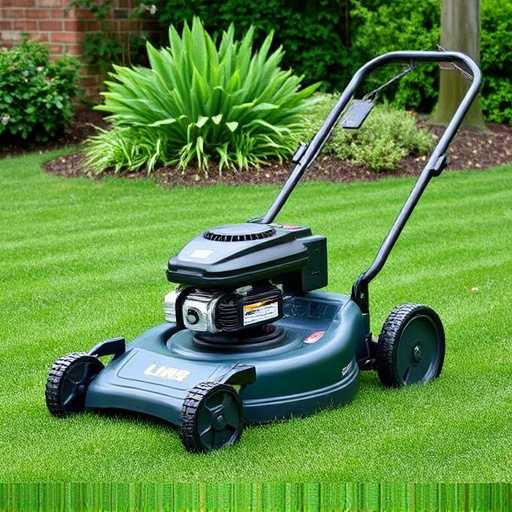
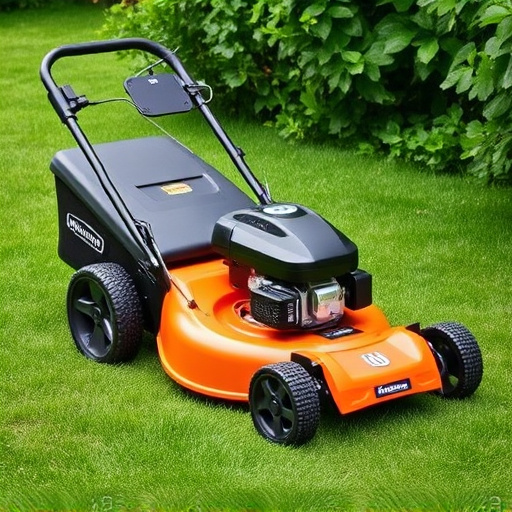
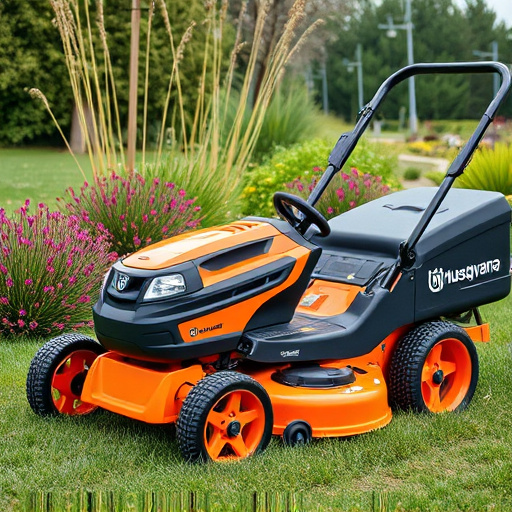
Definition: Mower Husqvarna, often simply referred to as “Husqvarna,” is a range of high-performance lawn mowers designed and manufactured by the Swedish company Husqvarna AB. These machines are known for their robust construction, advanced engineering, and exceptional cutting capabilities.
Core Components:
-
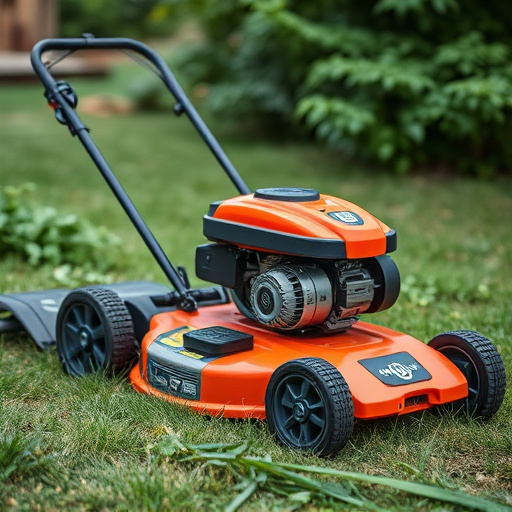
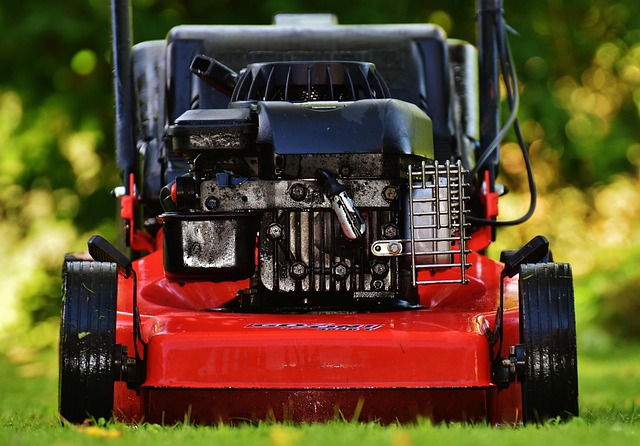
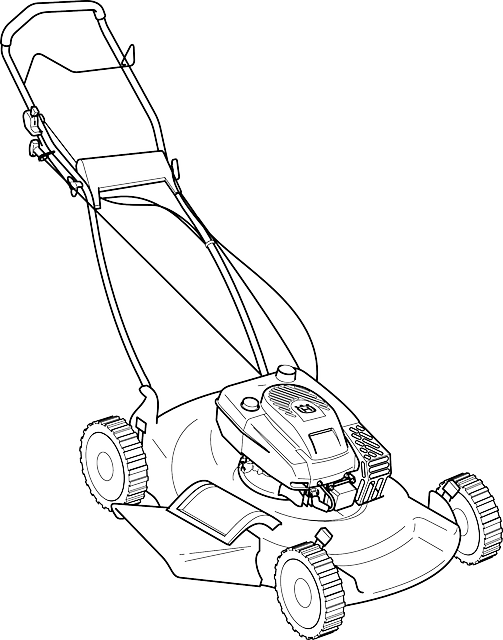
Engine: Husqvarna mowers are powered by either gasoline or electric engines, each offering unique advantages in terms of performance, noise levels, and environmental impact. Gasoline-powered models are renowned for their raw power and versatility, while electric models excel in reduced emissions and quieter operation.
-
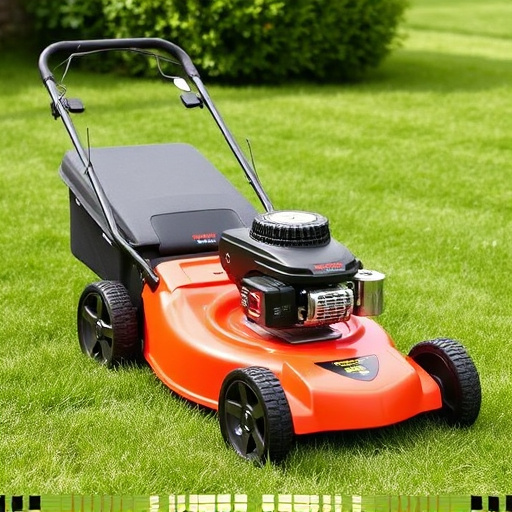
Cutting Deck: The cutting deck is a critical component, available in various sizes and designs to cater to different lawn sizes and preferences. It houses the blades that perform the actual mowing, with options ranging from single-blade designs for precision to multi-blade systems for heavy-duty tasks.
-
Transmission: Husqvarna employs advanced transmission systems, ensuring smooth and efficient power transfer from the engine to the cutting deck. These mechanisms contribute to the mower’s overall performance and maneuverability.
-
Control System: Modern Husqvarna mowers feature intuitive control systems, often incorporating technology like touch screens and smartphone connectivity. These allow users to customize settings, monitor performance, and even schedule mowing tasks remotely.
Historical Context:
The Husqvarna brand has a rich history dating back to 1689 when it began as a metalworking shop in Sweden. Over the centuries, the company evolved, diversifying into various tools and machinery. In the late 20th century, Husqvarna recognized the potential of lawn care equipment and entered this market with innovative designs. The first Husqvarna mower was introduced in 1953, marking a significant shift in lawn care technology.
The modern era of Mower Husqvarna began in the 1990s with the introduction of self-propelled models, followed by advancements in engine technology, cutting deck designs, and electronic controls. These innovations have positioned Husqvarna as a leader in the global lawn care equipment market.
Global Impact and Trends
Mower Husqvarna has left an indelible mark on the international landscape, with its presence felt across multiple continents. Here’s a breakdown of its global influence:
-
Europe: As one of the birthplace regions, Europe is home to significant Husqvarna manufacturing facilities and R&D centers. The company enjoys a strong market position in countries like Germany, France, and Sweden, where lawn care is a cultural priority.
-
North America: Husqvarna has established a solid presence in the United States and Canada, catering to both residential and commercial customers. The brand’s popularity can be attributed to its reputation for durability and cutting performance.
-
Asia Pacific: The Asia-Pacific region represents a significant growth area for Husqvarna. Countries like China, Japan, and Australia have seen increased demand due to factors such as urbanization and rising disposable incomes.
Trends Shaping the Future:
-
Sustainability: There is a growing global trend towards sustainable lawn care practices, with electric and battery-powered mowers gaining traction. Husqvarna has responded by introducing a range of eco-friendly models, reducing noise pollution and carbon emissions.
-
Smart Lawn Care: The Internet of Things (IoT) is transforming lawn care into a smarter, more connected experience. Husqvarna’s integration of smart technology allows users to control their mowers remotely, set schedules, and receive performance data via smartphone apps.
-
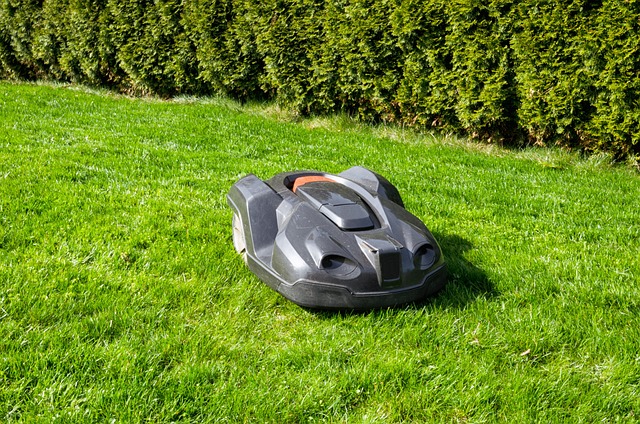
Autonomouus Mowing: Robotic lawn mowers are becoming increasingly popular, especially in residential areas. While Husqvarna has primarily focused on traditional mowers, the company is exploring autonomous solutions to cater to the changing preferences of modern consumers.
Economic Considerations: Market Dynamics and Impact
The Mower Husqvarna market operates within a dynamic economic ecosystem, influenced by various factors:
| Economic Factors |
Impact |
| Global Demand: The demand for lawn care equipment varies globally due to climate, cultural preferences, and income levels. Husqvarna’s success is tied to understanding these regional differences and tailoring its offerings accordingly. |
Mower Husqvarna manufacturers like Husqvarna can capitalize on growing urban populations and the increasing tendency to invest in home improvement in developing nations. |
| Market Competition: The lawn care equipment market is highly competitive, with several global players. Husqvarna faces competition from brands like Stihl, Echo, and Honda, each offering unique features and technologies. |
Price wars, innovative product introductions, and aggressive marketing campaigns are common strategies used to gain a competitive edge. |
| Distribution Channels: Effective distribution networks are crucial for reaching customers worldwide. Husqvarna utilizes both direct sales and partnerships with retail outlets, ensuring its products are accessible to diverse consumer segments. |
Efficient distribution ensures that mowers are readily available during peak demand seasons, contributing to sales revenue and market share. |
Market Size and Growth:
The global lawn care equipment market is valued at approximately $15 billion (as of 2023), with a projected growth rate of 4-5% annually over the next five years. Husqvarna’s market share varies across regions, but it consistently ranks among the top three brands globally.
Technological Advancements: Driving Innovation Forward
Husqvarna has been at the forefront of technological innovation in lawn care, constantly pushing the boundaries of what a mower can achieve. Here are some significant advancements:
-
X-Torq Engine Technology: Husqvarna introduced X-Torq engines, renowned for their superior power-to-weight ratio and fuel efficiency. This technology reduces emissions and enhances performance, making it environmentally friendly.
-
Smart Connect Features: The company’s Smart Connect platform enables wireless control of mowers through mobile apps. Users can remotely monitor and adjust settings, schedule mowing tasks, and even receive real-time diagnostics alerts.
-
Automotive-Grade Components: Husqvarna incorporates high-quality materials and components from the automotive industry, ensuring exceptional durability and performance. This includes lightweight yet robust materials in the cutting deck and frame.
-
AI and Machine Learning: Husqvarna is exploring AI for autonomous navigation and adaptive mowing patterns based on lawn topography. These technologies promise to revolutionize lawn care by making it more efficient and less labor-intensive.
Policy and Regulation: Navigating Legal Requirements
The Mower Husqvarna industry operates within a framework of environmental, health, and safety regulations designed to protect users, communities, and the environment. Here’s an overview of key considerations:
-
Emission Standards: Strict emission regulations in many countries limit the amount of pollutants that lawn care equipment can emit. Husqvarna ensures compliance by adhering to European Union (EU) and other regional standards for noise and emissions.
-
Product Safety: Mowers must meet stringent safety standards, including those related to electrical components, fuel systems, and moving parts. Husqvarna conducts rigorous testing to ensure its products are safe for users of all skill levels.
-
Waste Management: Proper disposal of lawn care equipment is essential to prevent environmental contamination. Husqvarna offers recycling programs for old mowers, promoting sustainable practices among consumers.
-
Export and Import Regulations: International trade in lawn care equipment involves navigating customs and import/export regulations, which can vary widely between countries. Husqvarna has established global partnerships to ensure smooth distribution.
Challenges and Criticisms: Overcoming Barriers
Despite its many achievements, Mower Husqvarna faces challenges and criticisms that require strategic solutions. Here are some key issues:
-
High Initial Cost: Premium Husqvarna mowers carry a higher price tag compared to some competitors, which can deter budget-conscious consumers. Offering financing options or promoting value models could address this concern.
-
Noise Pollution: Traditional gasoline-powered mowers are known for their noise levels, which can be a nuisance in residential areas. Husqvarna’s efforts to reduce noise through advanced engine technology have been well-received by urban dwellers.
-
Environmental Impact: While Husqvarna promotes eco-friendly models, there is always room for improvement regarding the overall environmental footprint of lawn care equipment manufacturing and disposal. Sustainable practices across the supply chain can mitigate these concerns.
-
Complex Features: Some Husqvarna models feature advanced technology that may be overwhelming for less tech-savvy users. Simplifying user interfaces and providing comprehensive training materials could enhance customer satisfaction.
Case Studies: Real-World Success Stories
1. Urban Green Spaces in Berlin, Germany
The city of Berlin implemented a project aimed at enhancing urban green spaces, which included the introduction of Husqvarna mowers. These mowers were chosen for their precision cutting capabilities and low noise levels, allowing for more frequent mowing without disturbing nearby residents. The result was improved lawn aesthetics and enhanced citizen satisfaction with local parks and community gardens.
2. Residential Community in Tokyo, Japan
A high-end residential community in Tokyo adopted Husqvarna’s smart lawn care solutions. The community’s homeowners appreciated the ability to control mowing schedules and settings remotely via smartphone apps. This integration of technology into lawn care enhanced the overall lifestyle of residents, who could now manage their outdoor spaces conveniently and efficiently.
3. Commercial Golf Courses in the USA
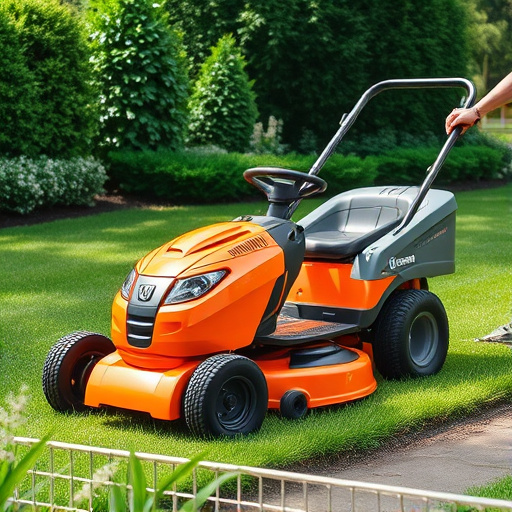
Several prestigious golf courses across the United States have embraced Husqvarna mowers for their demanding maintenance requirements. These courses appreciate the durability, performance, and precision cutting offered by Husqvarna’s range of ride-on mowers. The result is exceptional course conditioning, contributing to the overall golfing experience.
Future Prospects: Emerging Trends and Strategies
Looking ahead, Mower Husqvarna has several growth areas and emerging trends to explore:
-
Autonomous Lawn Care: As mentioned earlier, autonomous mowing solutions are an exciting area of research for Husqvarna. Developing robots capable of navigating complex landscapes and learning user preferences could revolutionize lawn care, freeing up time for homeowners and commercial landscapers.
-
Smart Home Integration: Integrating Mower Husqvarna with smart home systems is another potential growth area. Imagine a future where your mower connects seamlessly with your home’s security system or voice assistants, offering new levels of convenience and control.
-
Sustainable Materials: With growing environmental concerns, there will be an increased demand for mowers made from sustainable materials. Husqvarna can lead in this space by adopting eco-friendly components and promoting the responsible disposal of old equipment.
-
Global Expansion: While Husqvarna has a strong global presence, there are still untapped markets, especially in Africa and South America, where lawn care culture is growing. Expanding distribution networks and tailoring products to local preferences will be key strategies for future growth.
Conclusion: Mowing Towards Tomorrow
Mower Husqvarna has come a long way since its inception, evolving from a simple cutting tool to an intelligent, efficient machine that enhances outdoor spaces worldwide. Its global impact, technological advancements, and ability to cater to diverse needs have solidified its position as an industry leader.
As the world continues to embrace sustainability, smart technology, and connected devices, Mower Husqvarna is poised to play a pivotal role in shaping the future of lawn care. With continuous innovation, strategic market expansion, and a commitment to environmental stewardship, Husqvarna mowers will undoubtedly leave an indelible mark on the landscapes and lives they touch.
FAQ Section: Answering Common Questions
Q: Are Husqvarna mowers worth the investment?
A: Absolutely! Husqvarna offers high-quality, durable mowers with advanced features that provide excellent value over time. While initial costs may be higher than some alternatives, the reliability and performance of these machines make them a sound investment for both residential and commercial users.
Q: How do I choose the right Husqvarna mower for my lawn?
A: Selecting the ideal Husqvarna mower depends on several factors, including lawn size, terrain, and your specific needs. Start by assessing your lawn’s requirements and considering options like walk-behind mowers for smaller areas or ride-on models for larger properties. The Husqvarna website offers detailed guides to assist in making an informed choice.
Q: Can I replace the engine in a Husqvarna mower?
A: Yes, replacing the engine in a Husqvarna mower is possible, but it requires specialized knowledge and tools. It’s recommended to consult a qualified technician or refer to official service manuals for guidance on engine replacement, especially for more advanced models.
Q: How do I keep my Husqvarna mower in good condition?
A: Regular maintenance is crucial for keeping your Husqvarna mower in optimal condition. This includes routine cleaning, sharp blade maintenance, and periodic oil changes as per the manufacturer’s recommendations. Follow the user manual for specific care instructions tailored to your model.
Q: Are there any environmental benefits to using a Husqvarna mower?
A: Yes, Husqvarna promotes environmentally friendly lawn care practices. Their mowers include energy-efficient models, smart technologies that reduce unnecessary operation, and advanced engine technologies that emit fewer pollutants. Additionally, proper disposal programs for old equipment contribute to sustainable waste management.
Husqvarna's Front Deck Mowers offer enhanced visibility, safety, and precision through their innovative design and Power N Play technology. These mowers prioritize operator comfort, with wider decks for better coverage and powerful engines…….
Continue Reading
The Husqvarna diesel ride-on mower is a powerful and versatile tool for professional contractors, offering exceptional performance, durability, and comfort. With advanced technology like precise cutting and adjustable heights, it's ideal fo…….
Continue Reading
The Husqvarna ride-on mower is a Power N Play champion, combining robust engine performance with ergonomic design. It seamlessly navigates diverse terrains, delivers precise cuts, and ensures comfort for extended use. Its advanced technology all…….
Continue Reading
Before investing in a Mower Husqvarna, assess your lawn care needs. Commercial-grade Husqvarna mowers excel in handling dense vegetation, large areas, and uneven terrain, offering powerful performance, durability, and advanced technology. With m…….
Continue Reading
In today's competitive market, efficient lawn care is crucial for commercial properties. The Husqvarna Power N Play walk-behind mower stands out as a revolutionary solution, offering exceptional power and advanced blade technology for seaml…….
Continue Reading
Husqvarna's Power N Play series commercial mowers offer superior grass-cutting efficiency with advanced features, wide cutting decks, and robust engines. Ideal for large areas, they provide swift and thorough cutting across diverse terrain……..
Continue Reading
The Husqvarna V500 stand-on mower is a modern, powerful, and intuitive lawn care solution. With its 'Power N Play' system, this mower offers efficient operation, easy obstacle navigation, and precise control on various terrains, cateri…….
Continue Reading
Husqvarna's Power N Play ride-on mowers are a game-changer for park maintenance, offering unparalleled performance, precision, and efficiency. Their durable construction and innovative technologies ensure parks remain vibrant year-round. Wi…….
Continue Reading
The Husqvarna W500 walk-behind mower is designed for navigating tight spaces and complex landscapes, offering the brand's Power N Play experience. Its compact size, lightweight design, and advanced features make it ideal for both profession…….
Continue Reading
The Husqvarna zero-turn mower is a popular choice among landscapers due to its exceptional versatility, efficiency, and robust performance. With powerful engines and advanced features like the Power N Play system, these mowers navigate uneven te…….
Continue Reading
The Husqvarna commercial mowers are top-tier solutions for large-scale landscaping, boasting superior quality, efficiency, and safety features. Key advantages include a wide cutting deck for faster, neater mowing, powerful engines for swift cove…….
Continue Reading
Demanding lawn care scenarios require robust equipment like the Husqvarna Power N Play mower, designed for commercial use with superior performance and versatility. The range offers advanced cutting technology, durable construction, and ergonomi…….
Continue Reading
Mower Husqvarna models are industry leaders for landscapers, offering durability, performance, and advanced features. Engineered with robust materials, powerful engines, and precise cutting mechanisms, these mowers tackle demanding commercial ta…….
Continue Reading
The Husqvarna mower's Power N Play blend of high-performance engineering and user-friendly design makes it a market standout. For larger, uneven yards, choose robust models like the 325X with advanced cutting tech; smaller lawns favor light…….
Continue Reading
Husqvarna mowers offer superior quality and innovative design, catering to both professionals and homeowners. Their wide range of models includes advanced tools like self-propel drives and adjustable height settings for versatile performance. Th…….
Continue Reading
Husqvarna mowers, with their hybrid technology, represent a significant step forward in eco-friendly lawn care. These mowers seamlessly blend electric and petrol power for superior performance while drastically cutting down emissions and noise p…….
Continue Reading
The Husqvarna Z500XS zero-turn mower revolutionizes lawn care with its Power N Play technology, providing superior maneuverability and efficiency. Featuring a robust engine, this machine effortlessly navigates complex landscapes, making it ideal…….
Continue Reading
The Husqvarna front deck mower enhances safety and enjoyment in lawn care by prioritizing visibility. Its spacious design navigates complex landscapes, while its "Power N Play" controls offer a seamless mowing experience. Ideal for bot…….
Continue Reading
Mower Husqvarna models are renowned for their robust construction, innovative design, and powerful engines, catering to professionals and enthusiastic homeowners. Under its Power N Play banner, Husqvarna offers ergonomic designs, intuitive contr…….
Continue Reading
Selecting a Mower Husqvarna offers powerful performance and precision cutting for a perfectly manicured lawn. Their petrol ride-on mowers feature innovative Power N Play attachments, allowing tasks like aeration, fertiliser spread, or clipping c…….
Continue Reading